Making artificial intelligence more accessible
By developing new artificial intelligence (AI) techniques using less data, Christian Gagné and his team are helping small and medium-sized businesses harness local AI.
Project architects
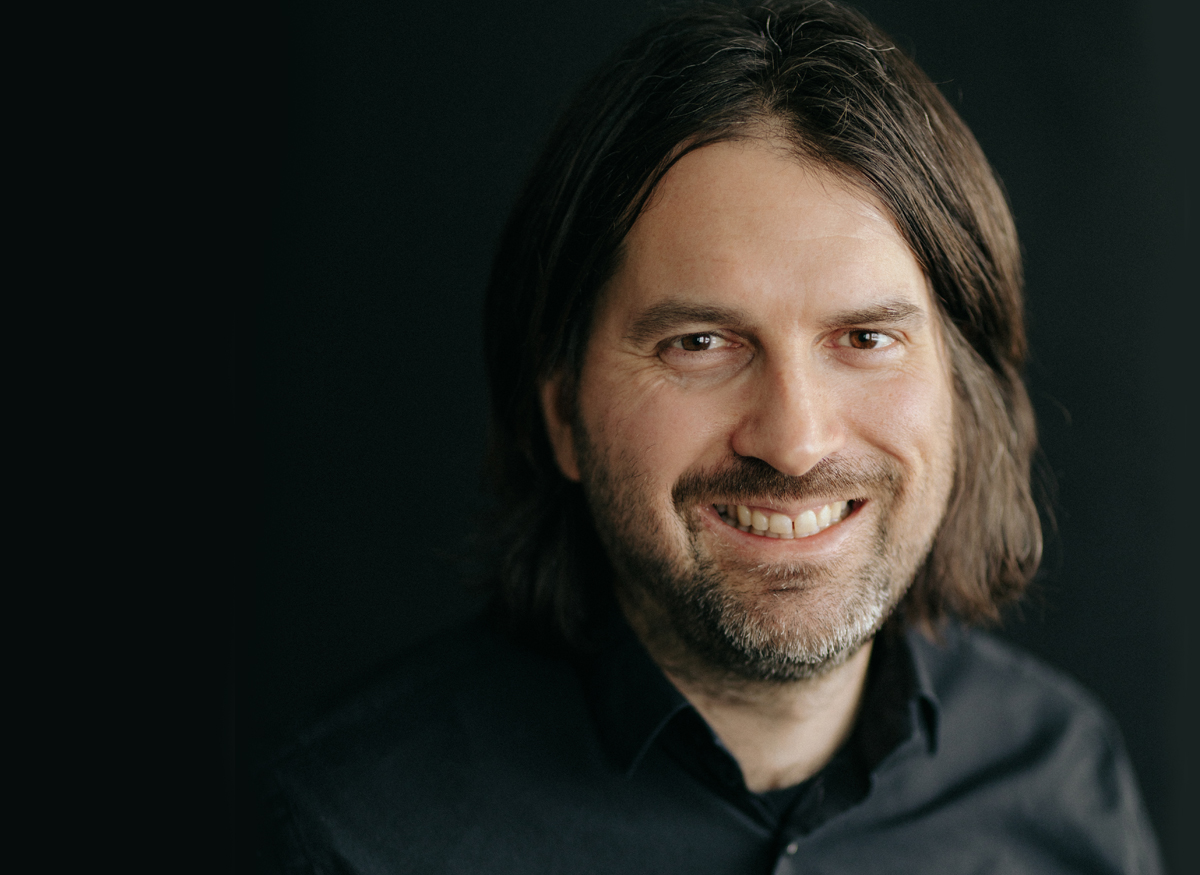
Christian Gagné
Full Professor, Faculty of Science and Engineering (Department of Electrical and Computer Engineering)
Director of Institute Intelligence and Data (IID)
Canada CIFAR Artificial Intelligence Chair
Member of the Computer Vision and Systems Laboratory (CVSL)
Associate Member of Mila
Team
Postdoctoral fellows: Fatemeh Gholi Zadeh Kharrat, Ihsen Hedhli
Ph.D. students: Arman Afrasiyabi, Sophie Baillargeon, Nour Elhouda Dhiab, Benjamin Léger, Changjian Shui
Master’s students: Mohamed Abderrahmen Abid, Ali Assafiri, Cyril Blanc, Catherine Bouchard, Hugo Siqueira Gomes, Alexandre Hains, Gabriel Leclerc, Ba Diep Nguyen, Colin Panter
And the Institute Intelligence and Data (IID) team.
Developing AI with less data
Can we move from Big Data to Small Data? That’s what Christian Gagné’s research aims to do. Most AI systems are built on massive amounts of data, but the researcher and his team are looking at new techniques for machine learning through smaller datasets and fewer interactions. These solutions are central to fostering human-machine collaboration in a context where human capacity makes it impossible to repeat thousands and millions of computer interactions in real time to filter data or improve decision-making.
Fostering human-AI collaboration
Christian Gagné’s expertise in machine and deep learning has led him to work with researchers from a range of disciplines, manipulating and managing data from many different sources, including georeferencing and sensors used in energy management and robotics. His work aims to foster interactions between humans and physical AI and inform discussion around the social acceptability of solutions with a concrete impact on the world, with applications in the cultural and legal domains in particular.
Transforming healthcare with AI
Christian Gagné has taken the lead on a number of healthcare collaborations, including in super-resolution microscopy. As part of initiatives developed alongside Flavie Lavoie-Cardinal, Professor Gagné is developing image processing methods based on deep learning to make microscopes smarter and more efficient and improve medical image analysis down to the molecular level.

AI solutions can train on fewer datasets through machine learning.

AI is often the product of collaboration among experts from a range of disciplines, including the social sciences, medicine, and engineering.

AI drives data management and has concrete benefits for people.

AI can be used to improve medical imaging and interpret images faster, down to the molecular level.
What’s next
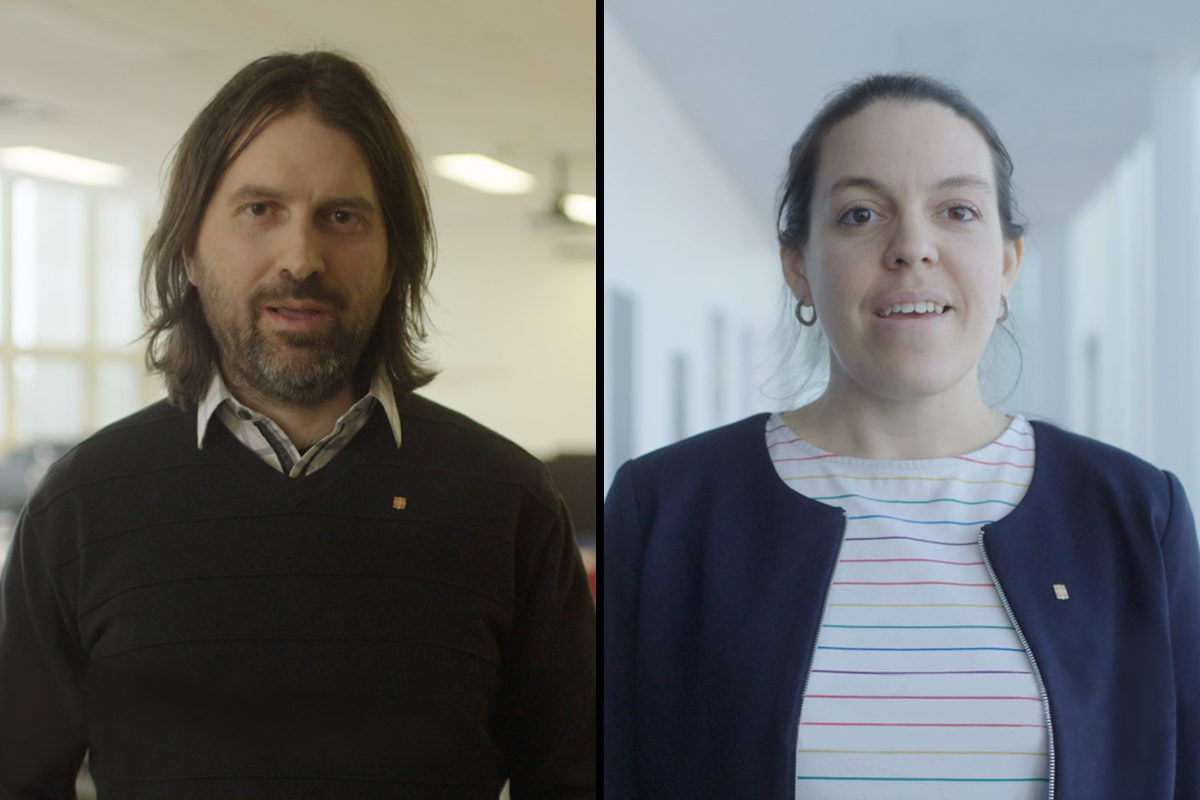
Christian Gagné can envision a day when local businesses and organizations can harness the methods and approaches developed in his research into AI training using smaller datasets. The goal is to give smaller businesses, which don’t have the same database capacity and access as the Web giants, opportunities to leverage the power of AI with more limited resources and smaller amounts of data.
Collaboration also plays a key role in his vision of the future, with AI ushering in sweeping changes across a broad spectrum of activities and disciplines.
The researcher may well be called upon to develop and invent algorithms and applications to extend and enhance these collaborative efforts.